Introduction
When people hear the words digital and analog, they often assume the answer is obvious. Digital sounds newer, smarter, more advanced. Analog sounds old.
But hearing aids don’t work like phones or TVs.
What matters is not the label, but how the sound feels to the person wearing it.
This is where confusion usually begins.
What People Mean by “Analog” Hearing Aids
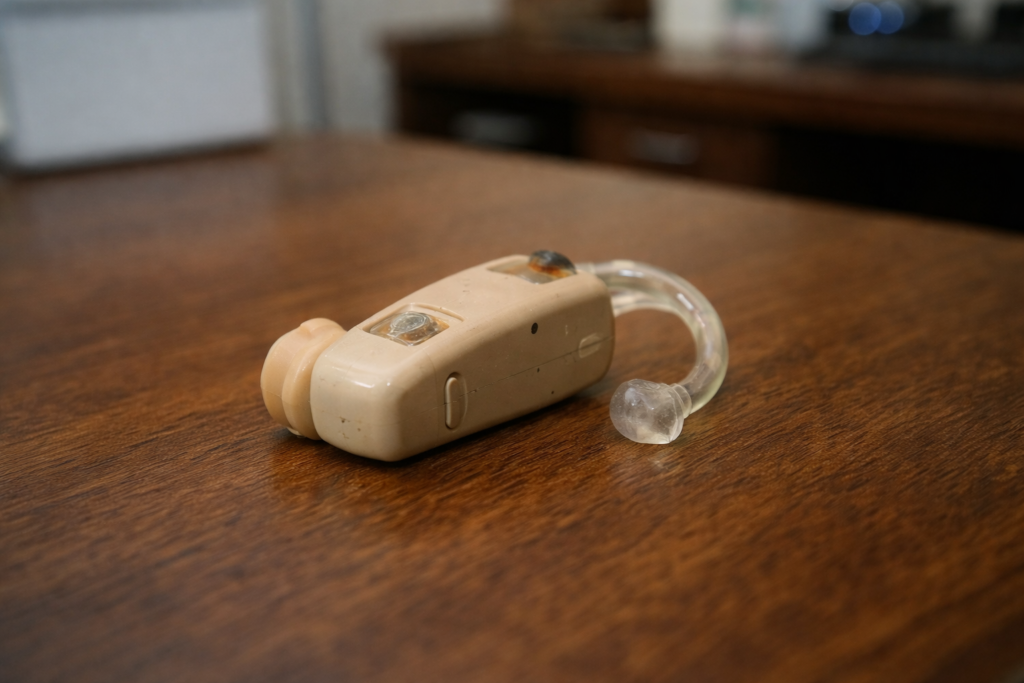
Analog hearing aids have been around for a long time. Some people still remember family members using them years ago.
They work in a very straightforward way. Sound comes in. The hearing aid makes it louder. That’s it.
The problem is that everything gets louder.
Speech, background noise, traffic sounds, fans, utensils — all of it.
For some users, especially in quiet settings, this may feel acceptable. But once they step into real-life situations, many start feeling overwhelmed.
That’s when complaints usually begin.

How Digital Hearing Aids Feel Different
Digital hearing aids don’t just increase volume.
They process sound.
They try to understand what you want to hear and what you don’t.
For example, when someone speaks in front of you, the hearing aid focuses more on that voice and less on the surrounding noise. This doesn’t mean noise disappears completely, but it becomes easier to manage.
Most people describe digital hearing aids as more comfortable, especially after wearing them for a few hours.
Less effort. Less irritation.
The Real Difference Shows Up in Daily Life
On paper, the differences sound technical.
In real life, the difference is emotional.
With analog hearing aids, many users say:
- “Everything feels noisy”
- “I feel tired after conversations”
- “Crowded places are difficult”
With digital hearing aids, people often say:
- “Voices sound clearer”
- “I don’t feel as exhausted”
- “I can manage better outside”
These reactions matter more than specifications.
About Features and Technology
Digital hearing aids can come with extra features. Some are useful. Some are not necessary for everyone.
Things like:
- noise control
- rechargeable batteries
- phone connectivity
These can improve convenience, but they are not the main reason digital hearing aids feel better.
The main reason is how the sound is processed, not how many features are added.
Is Analog Still Used?
In a few cases, yes.
Sometimes when hearing needs are very basic or when budget is extremely limited, analog hearing aids may still be discussed. But this is becoming less common.
Most people today adapt better to digital hearing aids, especially if they live active lives or interact with others regularly.
Why This Decision Shouldn’t Be Rushed
Choosing between digital and analog hearing aids is not just about price or technology.
It depends on:
- how your hearing loss affects you
- where you spend most of your time
- how sensitive you are to noise
- how long you wear the hearing aid each day
This is why two people with similar hearing test results may still need different solutions.
A Simple Way to Think About It
If hearing loss is affecting conversations, work, or family life, comfort becomes important. And comfort usually improves when listening feels natural, not forced.
For most users today, digital hearing aids offer that experience more easily.
But the final decision should always come after a proper hearing test and a detailed discussion — not just a comparison chart.
Final Note
Better hearing is not about louder sound.
It’s about easier listening.
And that’s something no article, brand name, or technology label can decide on its own. It needs proper assessment, patience, and guidance.