Introduction (Tinnitus Ringing in Ears):
Most people remember the first time Tinnitus Ringing in Ears happened.
The room was quiet. Maybe late at night. And there it was — a faint ringing. Or buzzing. Or something hard to describe.
You check the fan. The window. The phone.
Nothing.
The sound is coming from inside.
That experience is called Tinnitus. And while it can feel alarming at first, it is surprisingly common.
What Tinnitus (Ringing in Ears) Actually Is
Tinnitus is not a disease. It’s a symptom.
It simply means you are hearing a sound that isn’t coming from outside. Some people describe it as ringing. Others say humming, whistling, static, even crickets.
The sound can be soft. It can also feel loud. For many, it’s most noticeable in silence — which is why bedtime can feel harder than daytime.
Some days it feels manageable. Other days it feels irritating.
That fluctuation is normal.
Why Does It Happen?
There isn’t just one reason.
In many cases, tinnitus shows up alongside hearing loss. When certain sounds become harder to hear, the brain sometimes reacts in unexpected ways. Instead of silence, it creates a sound of its own.
Noise exposure is another common reason. Years of traffic, loud music, machinery, or even one very loud event can trigger it.
Sometimes the cause is simpler than expected. A blocked ear due to wax buildup can create temporary ringing. Once cleared, the sound may reduce.
And then there’s stress.
Stress doesn’t usually cause tinnitus by itself, but it makes the brain focus on it more. The more attention you give the sound, the louder it seems.
That’s a frustrating cycle — but a very common one.
When Should You Take It Seriously?
Most tinnitus cases are not dangerous. Still, certain changes shouldn’t be ignored.
If the ringing:
- starts suddenly
- affects only one ear
- comes with dizziness
- appears with sudden hearing loss
- beats in rhythm with your pulse
then it’s better to get evaluated sooner rather than later.
These signs don’t automatically mean something serious. They simply deserve attention.
Can It Be Treated?
People often ask, “Will this go away?”
The honest answer depends on the cause.
If tinnitus is linked to earwax or temporary noise exposure, it may improve. If it’s connected to hearing loss, managing the hearing loss often reduces the awareness of ringing.
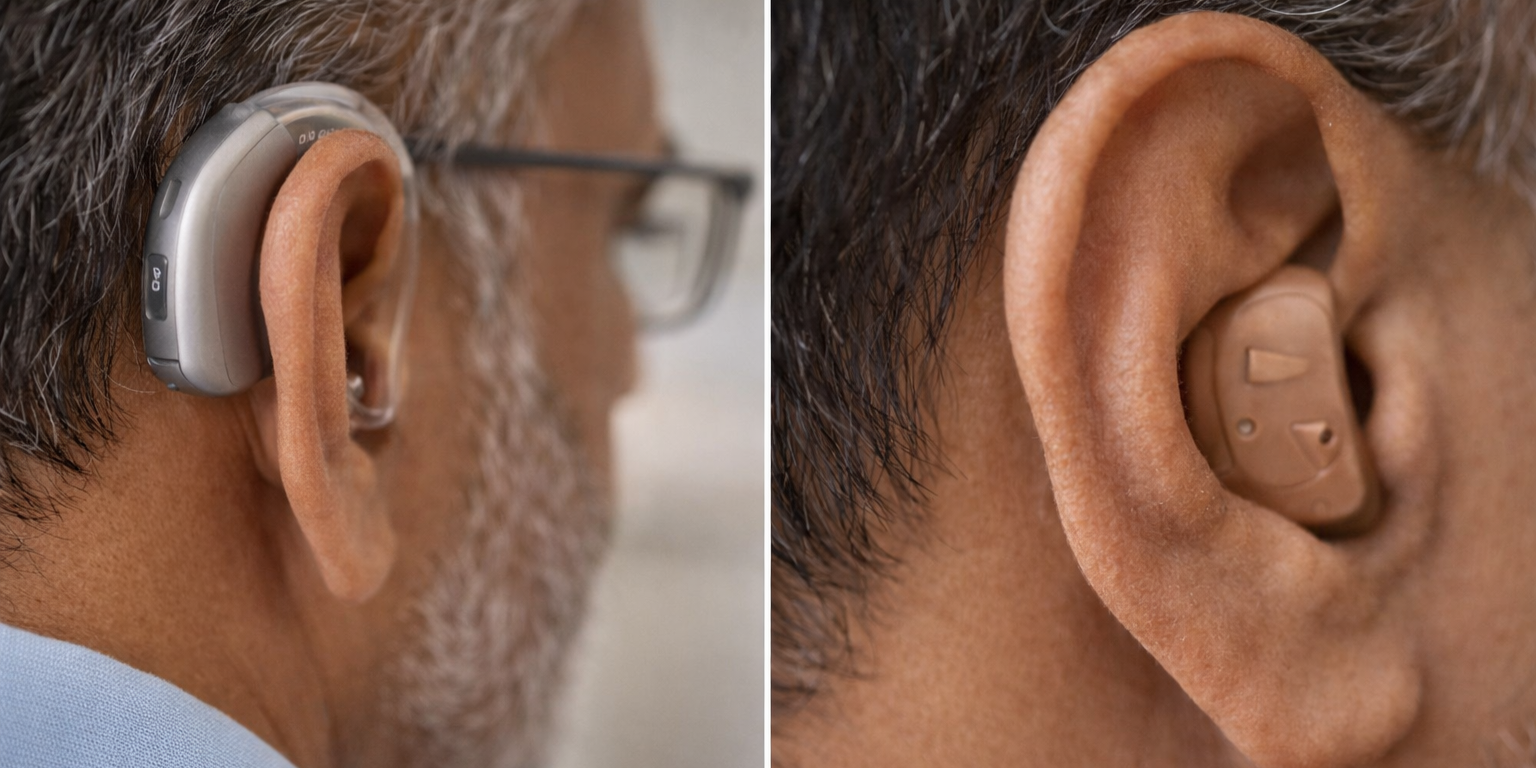
Hearing aids help many people — not because they “cure” tinnitus, but because they give the brain real sound to focus on again.
Some people benefit from sound therapy at night. Soft background noise can make the ringing less noticeable.
Others find that once they stop worrying about it constantly, the sound slowly becomes less intrusive.
The brain has an interesting ability to adapt — but it needs time.

The Emotional Side of Tinnitus
This part isn’t discussed enough.
Tinnitus can cause anxiety in the beginning. The uncertainty makes it worse. Questions start repeating in the mind.
Is this permanent?
Is something wrong?
Will it get louder?
Often, reassurance after proper evaluation reduces a large part of that stress. And once stress reduces, the tinnitus feels softer too.
It’s not just about the ear. It’s about how the brain responds.
A Practical First Step
If the ringing lasts more than a few days, or keeps coming back, a hearing check is a sensible place to start.
The assessment is simple. It gives clarity. And clarity reduces fear.
Sometimes the solution is straightforward. Sometimes it’s about learning how to manage it properly.
Either way, ignoring it rarely helps.
A Final Thought
Tinnitus can feel loud in a quiet room.
But it doesn’t always have to control your attention.
With the right guidance and a little patience, most people learn how to manage it — and many find it becomes far less noticeable than it first seemed.
If the sound is bothering you, get it checked. Peace of mind matters just as much as treatment.